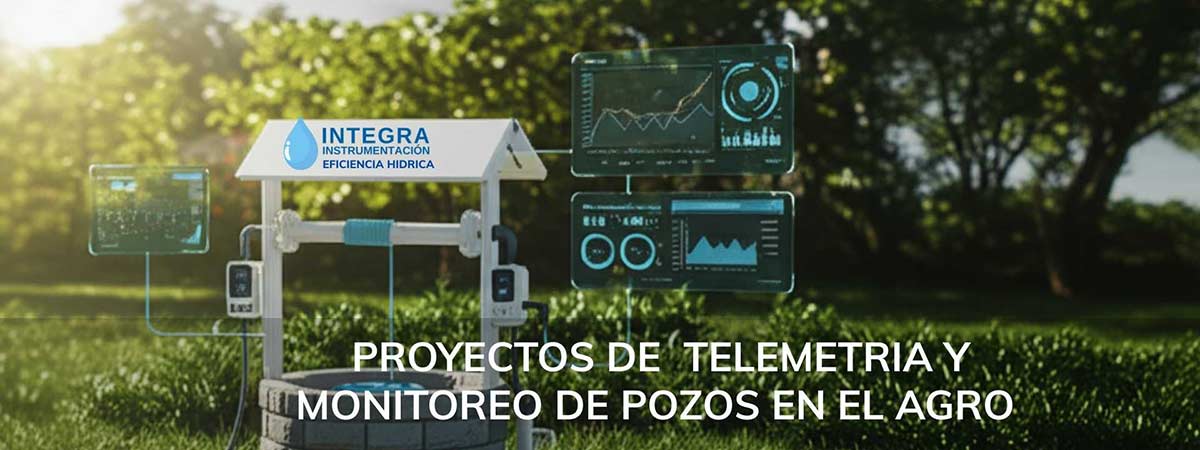

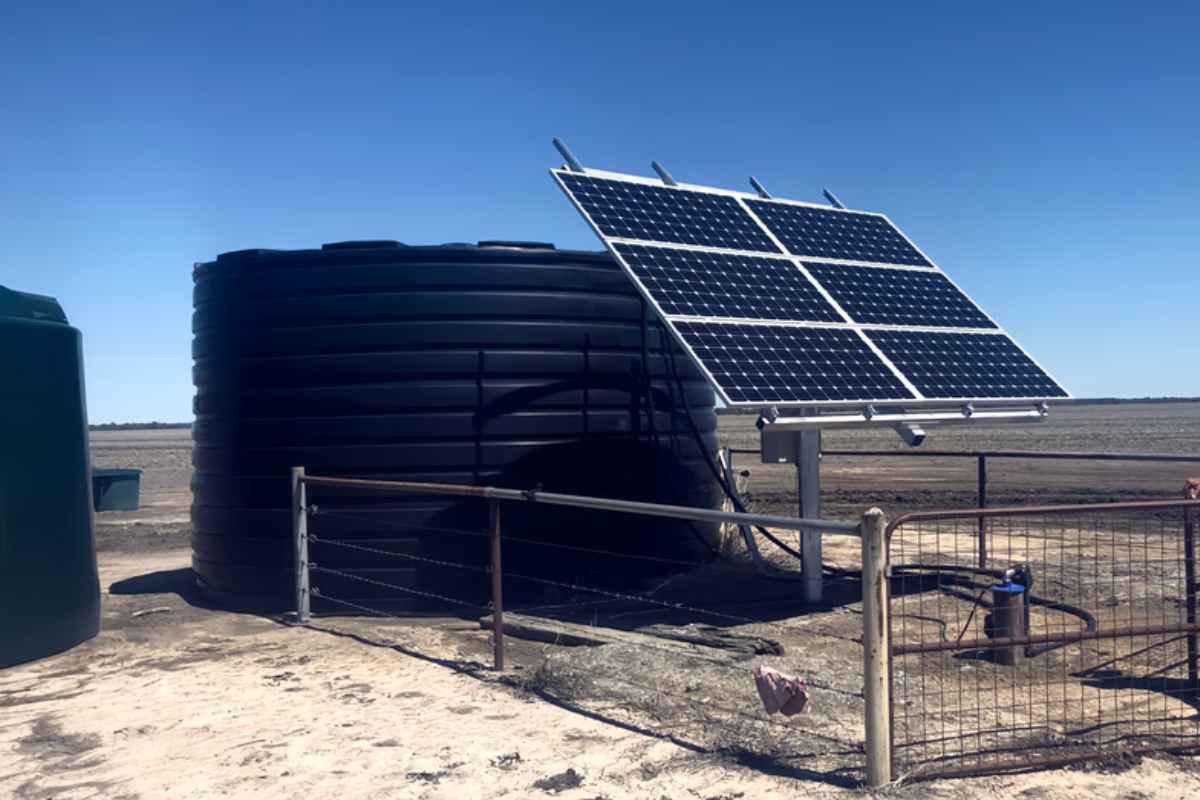









Off – grid solar water pumps are a revolutionary solution for water supply in areas without access to the main power grid. These pumps use solar energy, a renewable and sustainable power source, Off-Grid Solar Water Pumps to move water from sources such as wells, rivers, or lakes to where it is needed.
How Off – Grid Solar Water Pumps Work
The operation of off – grid solar water pumps is based on the photovoltaic effect. Solar panels capture sunlight and convert it into electricity. This electricity powers the pump motor, which then pumps water. There are two main types of pumps: submersible pumps and surface pumps. Submersible pumps are placed inside the water source, like a well, and are ideal for deep water extraction. Surface pumps, on the other hand, are installed above the water source and are suitable for shallower water bodies. The system also includes a controller that regulates the power flow from the solar panels to the pump, ensuring efficient operation.
Advantages of Off – Grid Solar Water Pumps
One of the most significant advantages is their independence from the traditional power grid. This makes them suitable for remote areas where grid connection is either impossible or extremely costly. They also have low operating costs since sunlight is free. Maintenance requirements are relatively low compared to diesel – powered pumps. Additionally, they are environmentally friendly, as they produce no greenhouse gas emissions during operation, contributing to a cleaner and more sustainable energy future.
Applications of Off – Grid Solar Water Pumps
Off – grid solar water pumps have a wide range of applications. In agriculture, they can be used for irrigation, providing water to crops in remote fields. This helps to increase agricultural productivity in areas where water access is limited. In rural communities, these pumps can supply clean drinking water, improving the health and living standards of the residents. They are also used in livestock watering, ensuring that animals have a constant supply of water. Moreover, they can be used in small – scale industries for processes that require water.
Challenges and Considerations
Despite their many benefits, off – grid solar water pumps also face some challenges. The initial installation cost can be relatively high, which may deter some users. The performance of the pump is also dependent on sunlight availability. In regions with limited sunlight or during cloudy days, the pump’s output may be reduced. Additionally, proper sizing of the system is crucial. An undersized system may not meet the water demand, while an oversized system can be wasteful. Regular maintenance, such as cleaning the solar panels and checking the pump components, is also necessary to ensure long – term reliable operation.
In conclusion, off – grid solar water pumps offer a practical and sustainable solution for water supply in various settings. With proper planning and management, they can overcome the challenges and provide a reliable source of water for years to come.

Equipo Prensa
Portal Agro Chile